
Siding Installation in Cincinnati, OH — Built for Ohio River Valley Weather

Cincinnati's Ohio River valley climate puts constant pressure on your home's exterior. Between humid summers that regularly push past 70% humidity, harsh winter freeze-thaw cycles, and spring storms that bring wind-driven rain, siding in this part of Ohio works harder than in most regions. When panels start cracking, warping, or letting moisture behind the walls, the damage spreads fast — into the sheathing, framing, and insulation.

Whether a home needs a full siding installation or replacement of aging cladding that's past its lifespan, getting the right material installed correctly is what separates a 15-year result from a 40-year result. Call (513) 468-5818 to reach a siding contractor in Cincinnati.

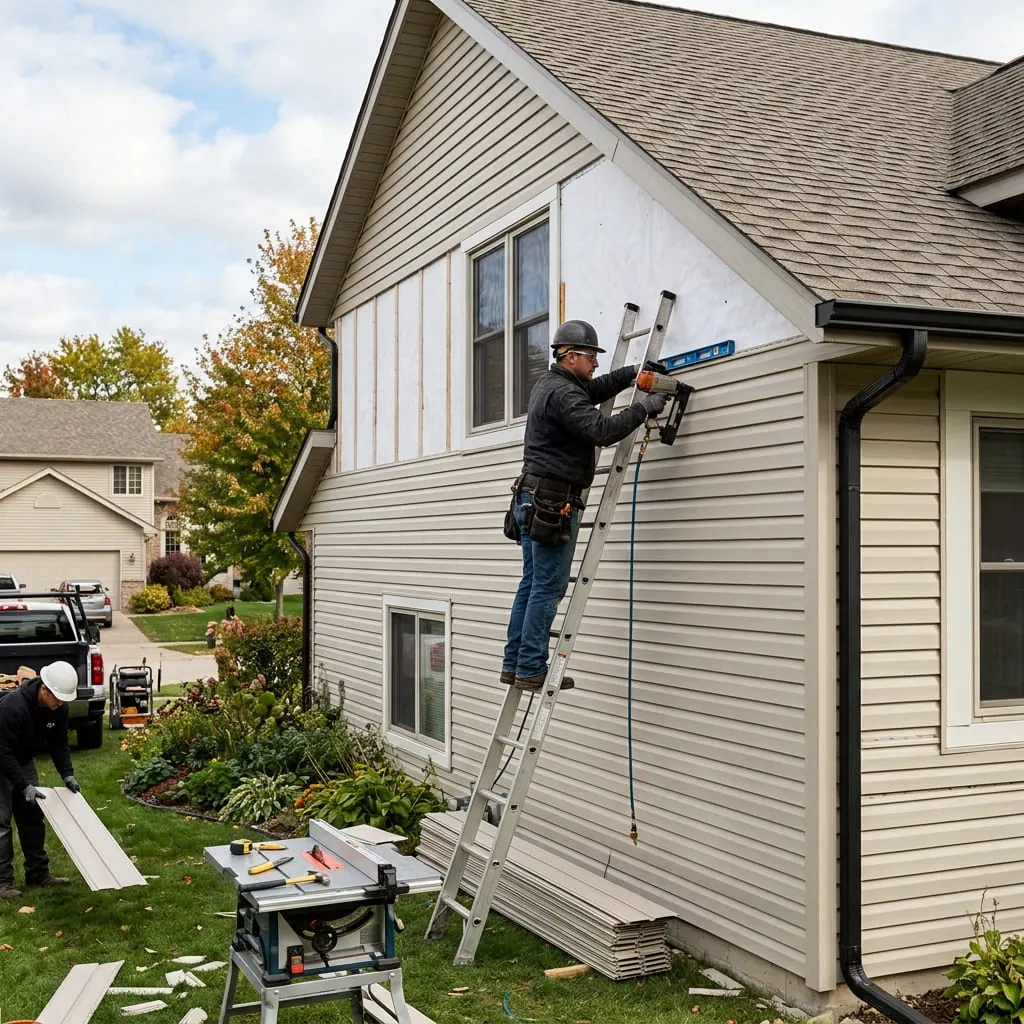
Installer on a ladder fastening new vinyl siding panels to a two-story home

Siding Installation Services in Cincinnati

Siding installation covers more than just nailing panels to the wall. A proper job starts with inspecting the existing exterior — checking the sheathing for moisture damage, evaluating the house wrap and flashing, and identifying any structural issues hidden behind the old cladding. In Cincinnati, where sustained humidity can trap moisture behind improperly sealed panels, skipping this step leads to rot and mold that stays invisible until it's a major problem.

The difference between siding that lasts 20 years and siding that lasts 40+ comes down to what happens behind the panels. Proper flashing, adequate ventilation, and correct nailing patterns matter more than the brand name on the box.

A professional siding installation in Cincinnati typically includes:

  • Removal of old siding and inspection of the underlying wall structure
  • Repair of damaged sheathing or framing before new panels go up
  • Installation of weather-resistant barrier (house wrap) to protect against wind-driven rain
  • Precise panel installation with proper nailing — not too tight, not too loose — so siding can expand and contract with Ohio's temperature swings
  • Flashing and trim work around windows, doors, and corners to seal out moisture
  • Final inspection to confirm every seam, joint, and transition point is weathertight

Siding Materials That Perform in Cincinnati's Climate

Not every siding material handles the Ohio River valley the same way. Cincinnati's combination of summer humidity, winter ice, and frequent temperature swings narrows the field to materials that resist moisture absorption, handle thermal expansion, and don't degrade under UV exposure.

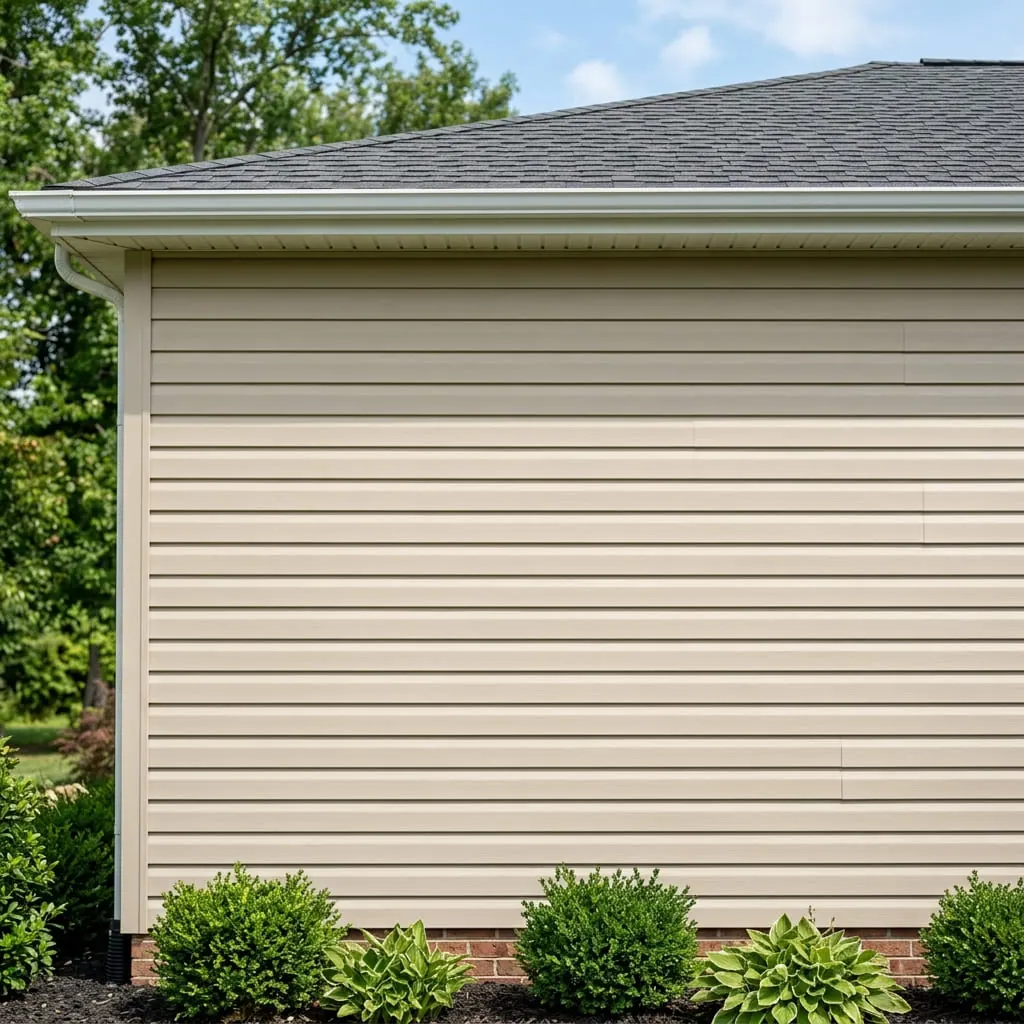
Vinyl lap siding on a home exterior

Vinyl Siding

Vinyl remains the most popular choice across Cincinnati for good reason — it's affordable, low maintenance, and available in dozens of colors and profiles. Modern vinyl panels are thicker and more impact-resistant than the products from 10 or 15 years ago. For homes in neighborhoods like Oakley, Pleasant Ridge, and Anderson Township, vinyl gives a clean, updated look without the ongoing cost of painting or staining.

One thing to consider: standard vinyl doesn't add insulation. For older homes with inconsistent wall insulation — common in pre-1980s builds across Hyde Park, Clifton, and Northside — insulated vinyl siding adds a layer of continuous foam backing that reduces thermal bridging and helps stabilize indoor temperatures.
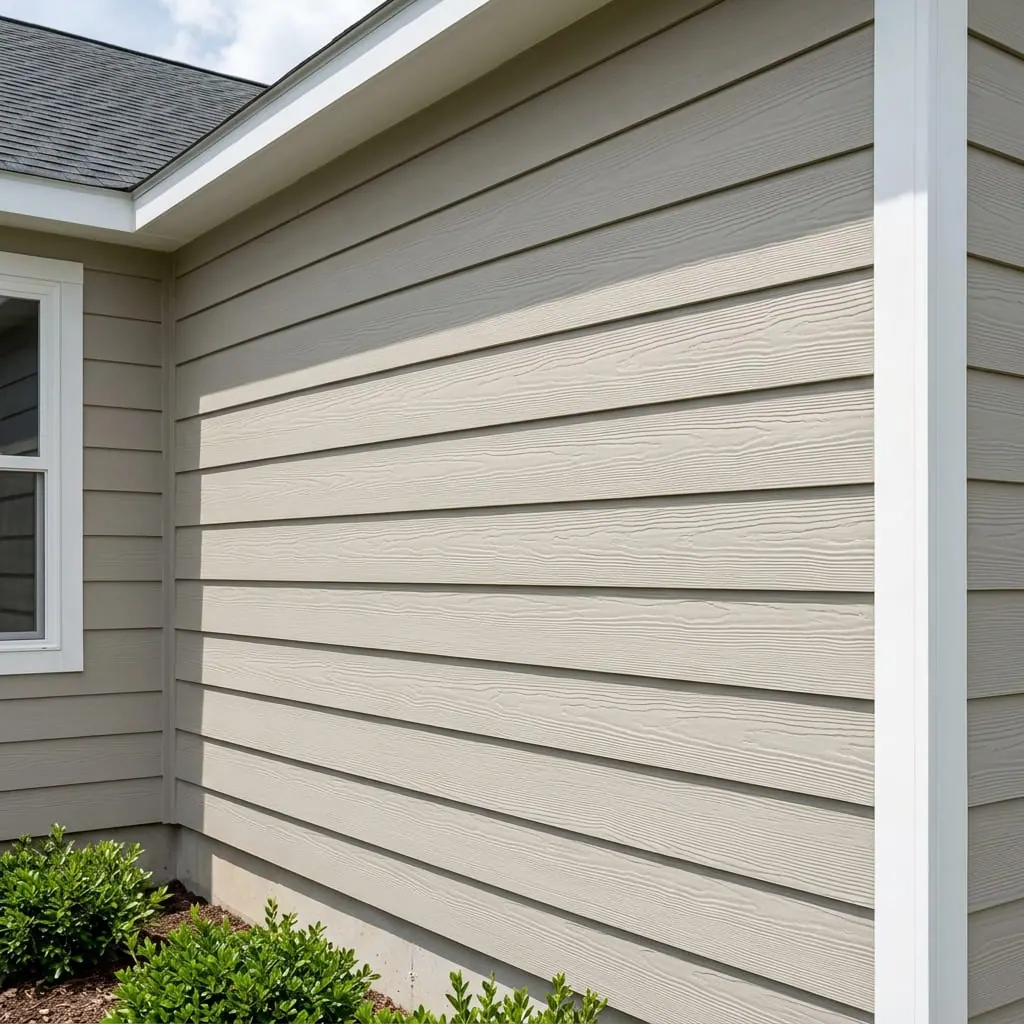
James Hardie fiber cement lap siding on a home

James Hardie Fiber Cement

Fiber cement is the premium option for Cincinnati homeowners planning to stay long-term. It handles humidity without warping, resists impact from hail and debris, holds paint significantly longer than wood, and won't melt or warp under direct sun the way thin vinyl can. Many homeowners in historic neighborhoods like Mount Lookout and East Walnut Hills choose fiber cement for street-facing elevations where appearance matters most, then use vinyl on less-visible sides to manage costs.

The tradeoff is price and weight. Fiber cement costs roughly 40-60% more than vinyl installed, and the panels are heavier, which means more labor and more precise fastening. But for a home that needs to look sharp and perform for 30+ years in this climate, it's often worth the investment.

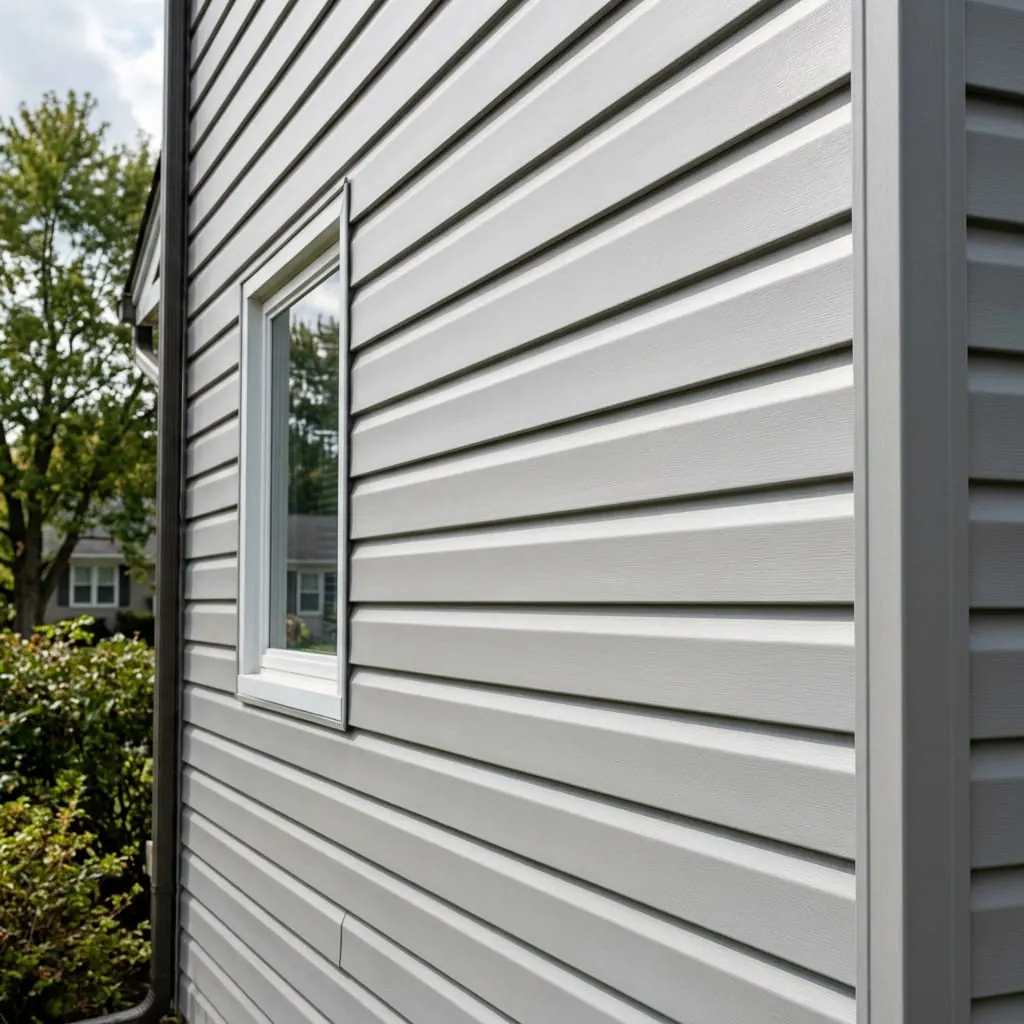
Aluminum siding panels on a home exterior

Aluminum Siding

Aluminum is less common in new installations but still seen on older Cincinnati homes — especially mid-century builds in Western Hills, Delhi, and parts of Price Hill. It's fire-resistant, doesn't rot, and handles moisture well. The downside is denting — hail and impact damage show easily, and the factory finish fades over time. For homeowners updating an older aluminum-sided home, vinyl siding or James Hardie are typically the stronger long-term choices.

Why Cincinnati Homes Need Siding That Can Handle the Valley

Cincinnati isn't just "Midwest weather." The Ohio River valley creates a microclimate that's measurably harder on home exteriors than cities 50 miles north or south.

Humidity. Summer humidity in the valley regularly exceeds 70%. That moisture doesn't just sit on the surface — it works behind panels through gaps in flashing, failed caulk joints, and improperly sealed window transitions. Once moisture gets behind siding, it feeds mold growth on the sheathing and accelerates wood rot in the framing. Homes in lower-elevation neighborhoods closer to the river are especially vulnerable.

Freeze-thaw cycles. Cincinnati typically sees 80+ freeze-thaw cycles per winter. Water that has infiltrated behind siding expands when it freezes, cracking panels, popping nails, and widening gaps that let in even more moisture on the next cycle. This is the primary reason siding failures in Cincinnati tend to escalate quickly — small gaps become big problems within a single winter season.

Storm exposure. Spring and summer thunderstorms bring wind-driven rain that hits exterior walls at sharp angles, finding every weak point in the flashing and trim work. Homes with south and west-facing exposures across neighborhoods like Fairfield, West Chester, and Liberty Township take the brunt of these storms.

The right siding material matters, but proper installation technique matters more. A premium product installed without adequate flashing and ventilation will fail faster than a mid-range product installed correctly.

What a Complete Siding Job in Cincinnati Includes

What separates a siding job that lasts from one that fails early is the prep work and detailing behind the panels. A complete scope on a Cincinnati home covers more than the panels themselves.

  • Tear-off and inspection of the existing exterior, so moisture damage in the sheathing is found before new panels go up
  • Sheathing and framing repair where rot is found — common on older Cincinnati homes in Clifton, Northside, and Hyde Park
  • A new weather-resistant barrier and upgraded flashing at every window, door, and corner transition
  • Soffit, fascia, and trim replaced alongside the siding for a complete weathertight exterior

Multi-story homes and complex rooflines with dormers and gables — common on historic homes in Clifton, Northside, and Hyde Park — take more scaffolding and detail work. Confirm the scope in writing before work begins, including which product line and gauge are being installed and how hidden repairs will be handled.

Call (513) 468-5818 to reach a siding contractor in Cincinnati and walk the exterior.

Areas Served in Greater Cincinnati

Siding installation reaches homeowners across the Greater Cincinnati metro, including:

Cincinnati neighborhoods

  • Hyde Park
  • Oakley
  • Mount Lookout
  • Clifton
  • Northside
  • East Walnut Hills
  • Pleasant Ridge
  • Western Hills
  • Price Hill
  • Delhi

Northern suburbs

  • West Chester
  • Liberty Township
  • Mason
  • Fairfield
  • Hamilton

Eastern suburbs

  • Anderson Township
  • Milford
  • Loveland
  • Batavia
  • Amelia

Western suburbs

  • Harrison
  • Cleves
  • North Bend

Whether it's a historic rowhouse in Over-the-Rhine that needs careful material matching or a 1990s-build in West Chester ready for its first siding replacement, every job starts with a thorough exterior inspection before any work begins.

Frequently Asked Questions

How long does siding installation take in Cincinnati?

Most residential siding installations take 5 to 10 working days depending on home size, number of stories, and weather conditions. Removing old siding and repairing underlying damage can add time — especially on older homes where hidden moisture damage is common. Spring storm delays and winter freezes can also push timelines, so scheduling during late summer or early fall typically offers the most predictable window.

What is the best siding material for Cincinnati weather?

For most Cincinnati homes, vinyl offers the best balance of cost, durability, and low maintenance. James Hardie fiber cement is the premium choice for homeowners who want maximum durability and paint retention — especially on street-facing walls. The right answer depends on your budget, how long you plan to stay in the home, and how much maintenance you want to deal with.

Do I need a permit for siding installation in Cincinnati?

In most cases, yes. Hamilton County and surrounding jurisdictions generally require a building permit for full siding replacement. A qualified siding contractor will handle the permit application as part of the project. Permit processing typically adds 3 to 7 business days before work can begin.

How do I know if my siding needs to be replaced?

Look for cracking, warping, bubbling, or panels pulling away from the wall. If you can see daylight through seams, feel drafts near exterior walls, or notice mold or rot behind panels, replacement is likely overdue. Another common sign in Cincinnati: if your energy bills have climbed without an obvious explanation, failing siding may be letting conditioned air escape and outside moisture in.

Does new siding increase home value in Cincinnati?

Yes. According to national remodeling data, siding replacement typically recovers 75-85% of project costs at resale. In Cincinnati's market, updated siding can make a significant difference — especially on older homes where the existing exterior shows visible wear. Buyers notice curb appeal first, and damaged or dated siding is one of the fastest ways to lose interest before they walk through the door.

Work is performed by independent professionals.

Call Now for Siding Installation in Cincinnati

Siding installation on a Cincinnati home starts with a thorough exterior inspection that identifies exactly what the walls need. Call (513) 468-5818 to reach a siding contractor in Cincinnati and Greater Cincinnati.

Call (513) 468-5818
Call (513) 468-5818