
Vinyl Siding Installation and Repair in Cincinnati, OH
Vinyl is the most installed siding material in Greater Cincinnati — and for good reason. It's affordable, requires almost no maintenance beyond occasional cleaning, resists moisture without rotting, and comes in enough colors and profiles to match everything from a 1960s ranch in Delhi to a new build in Liberty Township. Modern vinyl panels are also significantly thicker and more impact-resistant than the products that went up on Cincinnati homes in the 1990s and early 2000s.
That said, vinyl isn't all the same. Panel thickness, insulation backing, UV resistance, and installation quality determine whether vinyl siding lasts 15 years or 40+. In Cincinnati's Ohio River valley climate, those differences matter more than in milder regions. Call (123) 456-7890 for a free vinyl siding estimate.
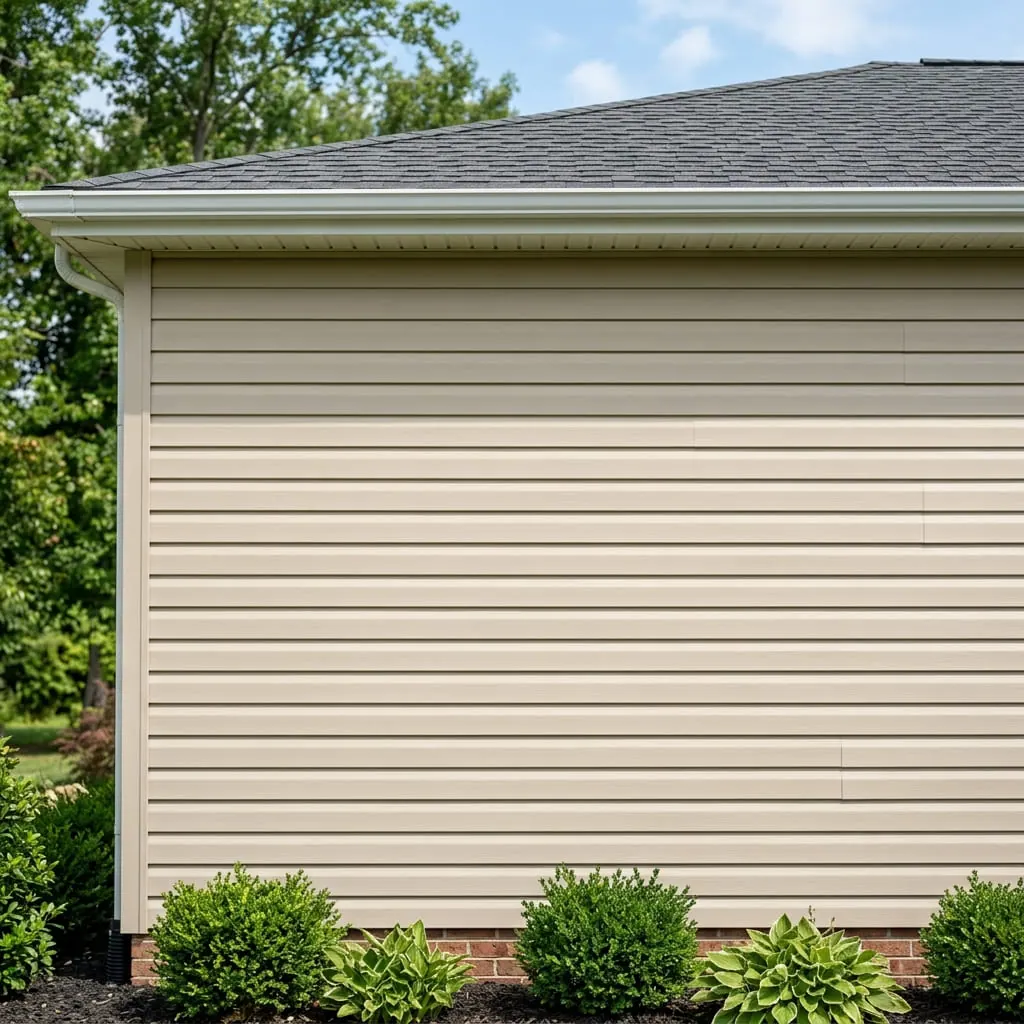
Why Vinyl Siding Works Well in Cincinnati
Cincinnati's climate tests siding materials in specific ways — summer humidity, winter freeze-thaw, spring storms, and UV exposure from long summer days. Vinyl handles most of these well:
The main limitations are impact resistance (hail and debris can crack thinner panels) and heat distortion (cheap vinyl on sun-blasted south-facing walls can warp). Both are manageable by choosing the right product grade.
- Moisture resistance. Vinyl doesn't absorb water the way wood does, so it won't rot, swell, or develop mold on the material itself. In the Ohio River valley where humidity regularly exceeds 70% in summer, this is a significant advantage.
- Thermal flexibility. Vinyl expands and contracts with temperature changes — which is exactly what Cincinnati's 80+ annual freeze-thaw cycles demand. When installed correctly with proper nailing clearances, panels flex without cracking.
- Low maintenance. No painting, staining, or sealing. A power wash once or twice a year keeps vinyl siding clean. For homeowners who don't want ongoing exterior maintenance, vinyl is the simplest option.
- Cost. Vinyl is the most affordable siding material per square foot, making it accessible for full-house installations even on a moderate budget.
Types of Vinyl Siding
Standard vinyl is the base option — typically .040" to .044" thick. It works fine for protected walls and homes in shaded neighborhoods. For fully exposed walls in open areas like West Chester or Fairfield, thicker panels are a better investment.
Heavy-gauge vinyl (.046" to .050"+) offers better impact resistance and holds up longer under UV exposure. This is what most Cincinnati siding professionals recommend for full-house installations where long-term durability matters.
Insulated vinyl has a foam backing bonded to each panel. It adds R-value to the wall, reduces thermal bridging, and makes the panels feel more solid — less hollow-sounding when you knock on them. For older Cincinnati homes with inconsistent wall insulation — common in pre-1980s builds across Hyde Park, Clifton, Oakley, and Northside — insulated vinyl is often worth the added cost.
Profiles include horizontal lap (the most common), dutch lap, board and batten, shingle/shake, and vertical panels. The profile doesn't significantly affect performance — it's primarily an aesthetic choice.
Vinyl Siding Costs in Cincinnati
| Option | Cost Per Sq Ft (Installed) | 1,500-2,000 Sq Ft Home |
|---|---|---|
| Standard Vinyl | $4 – $8 | $8,000 – $16,000 |
| Heavy-Gauge Vinyl | $5 – $9 | $10,000 – $18,000 |
| Insulated Vinyl | $6 – $11 | $12,000 – $22,000 |
These ranges include material, labor, and basic trim. Old siding removal, sheathing repairs, and soffit/fascia work add to the total. Multi-story homes and properties with complex trim details — dormers, bay windows, multiple gables — cost more per square foot due to scaffolding and additional cut work.
Vinyl Siding Maintenance in Cincinnati
Vinyl siding is as close to maintenance-free as exterior cladding gets, but it's not zero-maintenance. In Cincinnati's climate:
- Clean once or twice a year. A garden hose or low-pressure power wash removes dirt, pollen, and mildew. Ohio River valley humidity promotes mildew growth on north-facing and shaded walls — cleaning prevents buildup from becoming permanent staining.
- Inspect after storms. Check for cracked, loose, or displaced panels after high-wind events and hail. Catching damage early prevents moisture infiltration.
- Keep vegetation trimmed. Bushes and vines growing against siding trap moisture and can work behind panels. Keep at least a few inches of clearance.
- Don't paint vinyl. Dark paint absorbs heat and can cause vinyl to warp. If you want a different color, replace panels rather than painting over them.
Frequently Asked Questions
How long does vinyl siding last in Cincinnati?
With quality materials and proper installation, vinyl siding lasts 25 to 40 years in Cincinnati's climate. Heavy-gauge and insulated products tend to outlast standard-thickness panels. Installation quality — especially nailing patterns and flashing work — matters as much as the product itself.
Is insulated vinyl siding worth the extra cost?
For older homes with poor wall insulation, yes. The foam backing adds R-2 to R-5.5 depending on the product, reduces drafts, and makes rooms against exterior walls noticeably more comfortable. For newer homes with well-insulated walls, the energy savings are smaller and standard or heavy-gauge vinyl may be sufficient.
Can vinyl siding be installed over existing siding?
In some cases, but it's generally not recommended. Installing over old siding hides potential moisture damage and rot in the sheathing. Removing the old material first allows for a proper inspection and ensures the new installation sits on a sound, flat surface.
What colors work best for Cincinnati homes?
Lighter colors fade less over time and absorb less heat, reducing the risk of warping. Earth tones, grays, and blues are popular across Cincinnati's architectural mix — from Victorian-era homes in Northside to colonial-style houses in Anderson Township. Darker accent colors work well for shutters and trim but should be used cautiously on large wall surfaces.
Does vinyl siding increase home value?
Yes. Vinyl siding replacement consistently ranks among the top home improvement projects for return on investment — recovering 75-80% of project costs at resale in most markets.
Get a Free Vinyl Siding Estimate
Considering vinyl siding for your Cincinnati home? Call (123) 456-7890 for a free estimate. Whether it's a full installation, a section replacement, or an upgrade from aging aluminum panels, every project starts with a thorough inspection and a clear scope of work.