
Soffit and Fascia Installation and Repair in Cincinnati, OH
Soffit and fascia are the parts of your home's exterior that most homeowners don't think about until something goes wrong — and by then, the damage has usually spread. The soffit is the underside of the roof overhang. The fascia is the vertical board that runs along the edge of the roof, where gutters attach. Together, they seal the gap between the roofline and the exterior wall, keeping moisture, pests, and outside air out of the attic and wall cavities.
In Cincinnati, where humidity and freeze-thaw cycles constantly test exterior materials, failing soffit and fascia are a direct path to attic moisture damage, ice dams, pest entry, and higher energy costs. Call (123) 456-7890 for a free estimate.
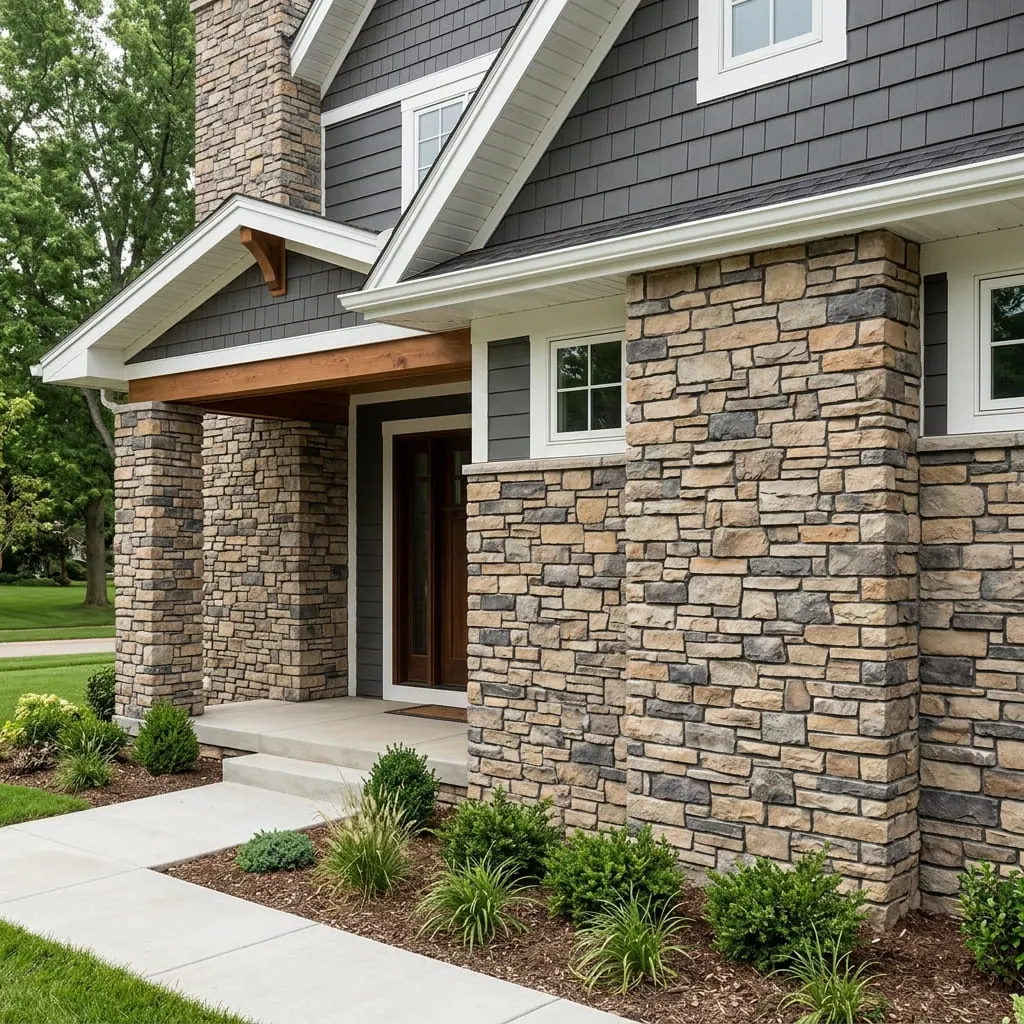
Why Soffit and Fascia Matter
Ventilation. Properly vented soffit panels allow air to flow into the attic and out through the ridge vent, preventing heat and moisture buildup. Without this airflow, attics in Cincinnati homes trap summer heat (increasing cooling costs) and winter moisture (creating conditions for mold and ice dams).
Moisture barrier. Fascia boards seal the ends of the roof rafters from rain, snow, and ice. When fascia rots or pulls away — common on older Cincinnati homes — water enters the rafter ends and works into the roof structure and wall cavity.
Pest exclusion. Gaps in soffit panels are entry points for squirrels, birds, bats, and insects. Homes near wooded areas in Anderson Township, Milford, and Loveland are particularly vulnerable. Once pests get into the attic or wall cavity, they cause insulation damage and create additional moisture and hygiene issues.
Curb appeal. Rotting, peeling, or mismatched soffit and fascia are immediately visible from the street. When siding is replaced but the soffit and fascia are left in poor condition, the overall result looks incomplete.
Signs Your Soffit or Fascia Needs Attention
- Peeling paint or visible rot on the fascia boards
- Sagging or detached soffit panels
- Animal or insect activity near the roofline
- Water stains on interior ceilings near exterior walls
- Ice dams forming along the roof edge in winter (sign of poor attic ventilation)
- Visible daylight through soffit panels from inside the attic
If any of these are present, the damage is active and getting worse with each rain and freeze cycle.
Soffit and Fascia Materials
Aluminum — the most common material for soffit and fascia in Cincinnati. Lightweight, moisture-resistant, low maintenance, and available in vented configurations for attic airflow. Most new siding installations, vinyl or fiber cement, pair with aluminum soffit and fascia.
Vinyl — similar performance to aluminum at a lower cost. Available in vented and solid panels. Color options coordinate with vinyl siding systems.
Wood — found on older and historic Cincinnati homes. Looks authentic but requires regular painting and is vulnerable to rot in the valley's humidity. Many homeowners in Hyde Park, Clifton, and Mount Lookout are replacing wood soffit and fascia with aluminum or vinyl that mimics the wood appearance without the maintenance.
Fiber cement — the premium option. Matches James Hardie siding for a seamless look. More expensive and heavier than aluminum or vinyl, but extremely durable.
Soffit and Fascia Costs in Cincinnati
| Service | Typical Cost Range |
|---|---|
| Fascia repair (per linear foot) | $6 – $20 |
| Soffit repair (per linear foot) | $6 – $16 |
| Full soffit and fascia replacement | $1,500 – $5,000+ |
| Soffit/fascia with full siding project | Often bundled at reduced labor rate |
Replacing soffit and fascia alongside a siding project saves on labor — the scaffolding is already up and the crew is already on-site. Doing it separately later costs more for the same work.
Frequently Asked Questions
Should I replace soffit and fascia when I replace siding?
Yes, in most cases. If the siding has been failing, the soffit and fascia have been exposed to the same conditions. Replacing everything together ensures a complete weathertight envelope and saves on labor costs.
What's the difference between vented and solid soffit?
Vented soffit has perforations or slots that allow air to flow into the attic for ventilation. Solid soffit has no openings. Most Cincinnati homes need a combination — vented soffit along the eaves for intake and solid soffit in areas where ventilation isn't needed (like porch ceilings).
How long does soffit and fascia last?
Aluminum and vinyl soffit and fascia last 20-40 years with minimal maintenance. Wood lasts 10-20 years depending on paint maintenance and moisture exposure. In Cincinnati's climate, wood fascia is the most common failure point — it takes the most direct exposure to rain and ice.
Can rotted fascia cause roof damage?
Yes. The fascia board supports the bottom edge of the roof decking and the gutter system. When it rots, gutters pull away, water backs up under the roof edge, and the roof decking itself begins to deteriorate. Catching fascia rot early prevents a much more expensive roof repair.
Get a Free Soffit and Fascia Estimate
Protect your roofline from moisture, pests, and weather damage. Call (123) 456-7890 for a free soffit and fascia inspection and estimate.