
James Hardie Siding Installation in Cincinnati, OH
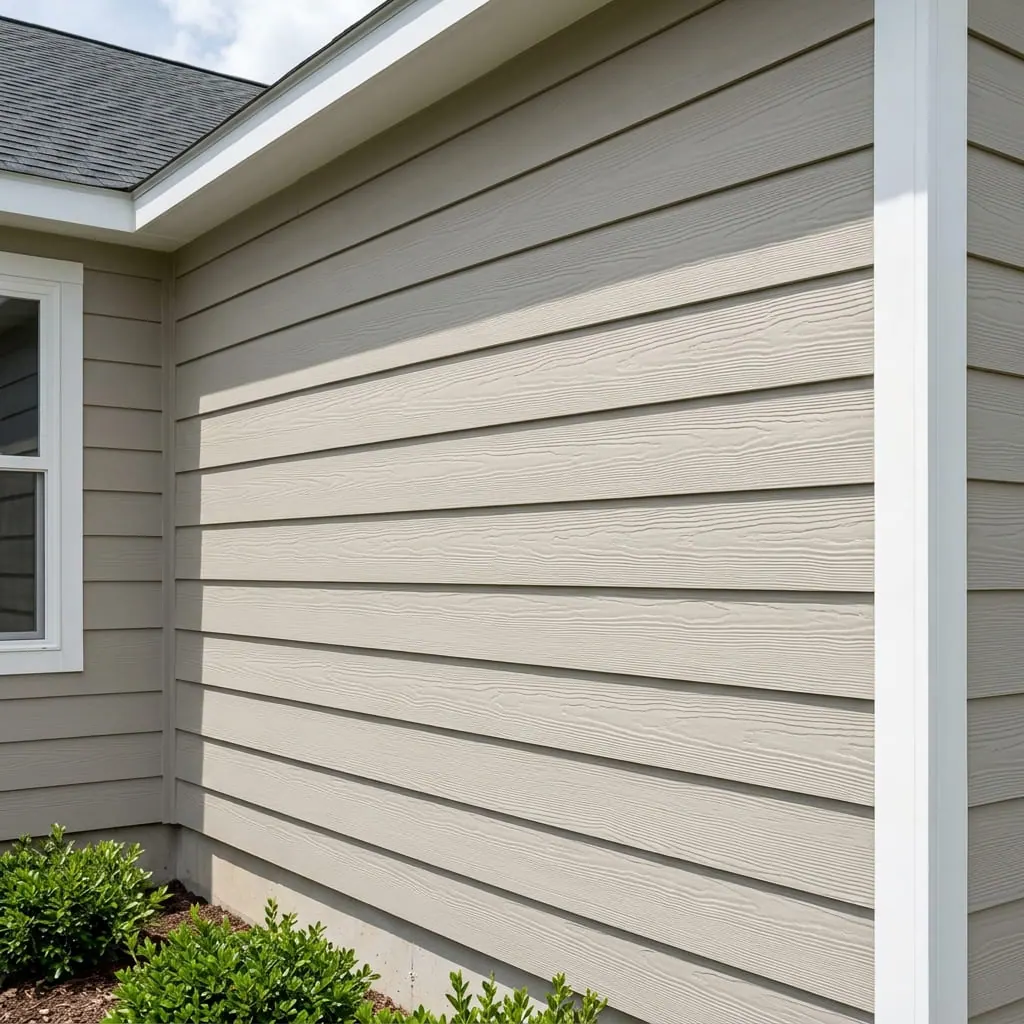
James Hardie fiber cement is the go-to premium siding material for Cincinnati homeowners who want durability that outlasts vinyl by a wide margin. Made from a blend of cement, sand, and cellulose fiber, HardiePlank resists moisture without swelling, handles impact without cracking, holds paint far longer than wood, and won't warp under the kind of sustained heat that buckles lower-grade vinyl.
For homes in Cincinnati's Ohio River valley — where humidity, freeze-thaw cycles, and storm exposure push siding materials to their limits — fiber cement is designed to perform where other materials start failing. Call (123) 456-7890 for a free James Hardie siding estimate.
Why James Hardie Performs in Cincinnati's Climate
James Hardie engineers its fiber cement products for specific climate zones. Cincinnati falls in HardieZone 5 — engineered for regions with freeze-thaw cycling and moisture exposure. This matters because the product formulation is designed to resist the exact conditions the Ohio River valley delivers:
Moisture resistance. Unlike wood, fiber cement doesn't absorb water. It won't swell, rot, or become a food source for mold — even in Cincinnati's 70%+ summer humidity.
Freeze-thaw durability. HardieZone 5 products are formulated to handle repeated freeze-thaw cycles without cracking or delaminating. This is critical in Cincinnati, where 80+ freeze-thaw cycles per winter are standard.
Fire resistance. Fiber cement is non-combustible — a meaningful safety advantage over vinyl and wood.
Paint retention. James Hardie's ColorPlus factory-applied finish holds color significantly longer than field-painted wood or pre-colored vinyl. Less fading means the house looks sharp for longer, with less maintenance.
Impact resistance. Fiber cement handles hail, wind-blown debris, and accidental contact better than vinyl. It doesn't crack, dent, or shatter the way vinyl can in cold weather.
James Hardie Product Options
HardiePlank Lap Siding — the most popular profile. Clean horizontal lines that work on everything from historic homes in Mount Lookout to contemporary builds in Mason. Available in smooth or wood-grain texture.
HardieShingle Siding — designed to mimic cedar shakes. Popular as an accent on gable ends and upper stories, especially on Craftsman-style and Cape Cod homes across Hyde Park and East Walnut Hills.
HardiePanel Vertical Siding — flat panels for a modern or board-and-batten aesthetic. Used as a full-wall treatment or as an accent alongside lap siding.
HardieTrim and HardieSoffit — matching fiber cement trim, fascia, and soffit panels. Using the same material for trim as for siding creates a consistent look and eliminates the weak point of mixing materials at transitions.
James Hardie vs. Vinyl Siding
Both materials work in Cincinnati, but they serve different priorities:
| Factor | James Hardie | Vinyl |
|---|---|---|
| Durability | 30-50 years | 20-40 years |
| Impact resistance | Excellent | Moderate (cracks in cold) |
| Moisture resistance | Excellent | Excellent |
| Maintenance | Repaint every 15-20 years | Power wash only |
| Fire resistance | Non-combustible | Melts |
| Cost (installed) | $8 – $18/sq ft | $4 – $11/sq ft |
| Weight | Heavy — needs experienced crew | Lightweight |
| Paint retention | Factory finish lasts 15+ years | Color throughout, fades over time |
The bottom line: Vinyl is the better value for budget-focused projects and homes where you need maximum coverage at the lowest cost. James Hardie is the better investment for homeowners who plan to stay long-term, want maximum durability, or need a premium look that matches the architectural character of the home — particularly in historic Cincinnati neighborhoods.
A common Cincinnati approach is using James Hardie on the front elevation for curb appeal and vinyl on the sides and rear to manage costs.
James Hardie Installation — Why It Matters More Than Material
Fiber cement is heavier, harder to cut, and less forgiving than vinyl. Improper installation leads to problems vinyl doesn't have — cracked panels from overdriven nails, failed joints from improper gap spacing, and premature paint failure from cut edges that weren't primed before installation.
Key installation requirements for Cincinnati:
- Proper nailing. Nails must be driven flush — not countersunk. Overdriving cracks the panel.
- Gap management. Fiber cement doesn't flex like vinyl. Expansion gaps at joints and transitions must be precise.
- Cut-edge treatment. Every field cut exposes raw material that must be sealed with touch-up paint or primer to prevent moisture absorption.
- Flashing. Particularly critical in Cincinnati's rain-heavy climate. Every window, door, and corner transition needs metal flashing — not just caulk.
James Hardie Siding Cost in Cincinnati
| Product | Cost Per Sq Ft (Installed) | 1,500-2,000 Sq Ft Home |
|---|---|---|
| HardiePlank Lap (ColorPlus) | $10 – $18 | $16,000 – $26,000 |
| HardiePlank Lap (primed only) | $8 – $14 | $14,000 – $22,000 |
| HardieShingle (accent) | $12 – $20 | varies by coverage |
| HardieTrim + HardieSoffit | $8 – $15/linear ft | varies by home |
Fiber cement costs 40-60% more than vinyl installed, primarily because of the heavier labor requirements. Multi-story homes with complex trim details cost more due to scaffolding and additional cut work.
Frequently Asked Questions
Is James Hardie siding worth the cost in Cincinnati?
For homeowners planning to stay in the home 10+ years, yes. The combination of superior durability, paint retention, and impact resistance means lower long-term maintenance costs and a longer lifespan than vinyl. The upfront premium pays for itself over time.
How long does James Hardie siding last?
James Hardie fiber cement siding is engineered to last 30 to 50 years. The ColorPlus factory finish typically holds 15+ years before repainting is needed — compared to field-painted wood, which needs repainting every 5-8 years in Cincinnati's climate.
Can James Hardie be installed over existing siding?
No. Fiber cement requires a solid, flat substrate for proper installation. Existing siding must be removed, and the sheathing inspected and repaired before HardiePlank goes up. This adds to labor costs but ensures the installation performs as designed.
Does James Hardie siding need maintenance?
Minimal. Inspect annually for cracks or damaged panels, especially after severe storms. Clean with a garden hose or low-pressure wash. The ColorPlus finish will eventually need repainting — typically after 15-20 years — but that's far less frequent than wood siding.
What HardieZone is Cincinnati in?
Cincinnati is in HardieZone 5, designed for regions with freeze-thaw cycling and moisture. Products engineered for this zone are formulated to resist cracking and moisture infiltration through repeated cold-weather cycles.
Get a Free James Hardie Siding Estimate
Considering a fiber cement upgrade for your Cincinnati home? Call (123) 456-7890 for a free estimate. Every project starts with an exterior inspection and a detailed scope — so you know exactly what's involved before making a decision.